Key Takeaways
- Cetara's PDO Colatura di Alici is the direct heir to Roman Garum, recovered by medieval monks and today recognized as a world excellence.
- Anchovies are caught at night with lampare (light-boats) between March and August, and hand-processed on the same day of the catch.
- Maturation in oak barrels takes at least 9 months per PDO specification; the best reserves age for several years.
- Spaghetti alla Colatura is always dressed raw and without salt in the water: the Colatura is already naturally very savory.
- A single drop of Colatura is enough to flavor pasta, boiled vegetables and legume soups - never heat it to preserve its aromatic bouquet.
If there is one village that has managed to capture the flavor of the sea in a jar, that village is Cetara. Past the headland of Capo d'Orso, this small fishing village appears like a nativity scene of white houses clustered around a Saracen tower. Lying between Maiori and Amalfi, Cetara's true treasure is not visible from the road: it hides in the nets of its fishing boats and in the ancient wooden barrels that guard the secret of its famous anchovies.
An Ancient Tradition: From the Lampara to the Barrel
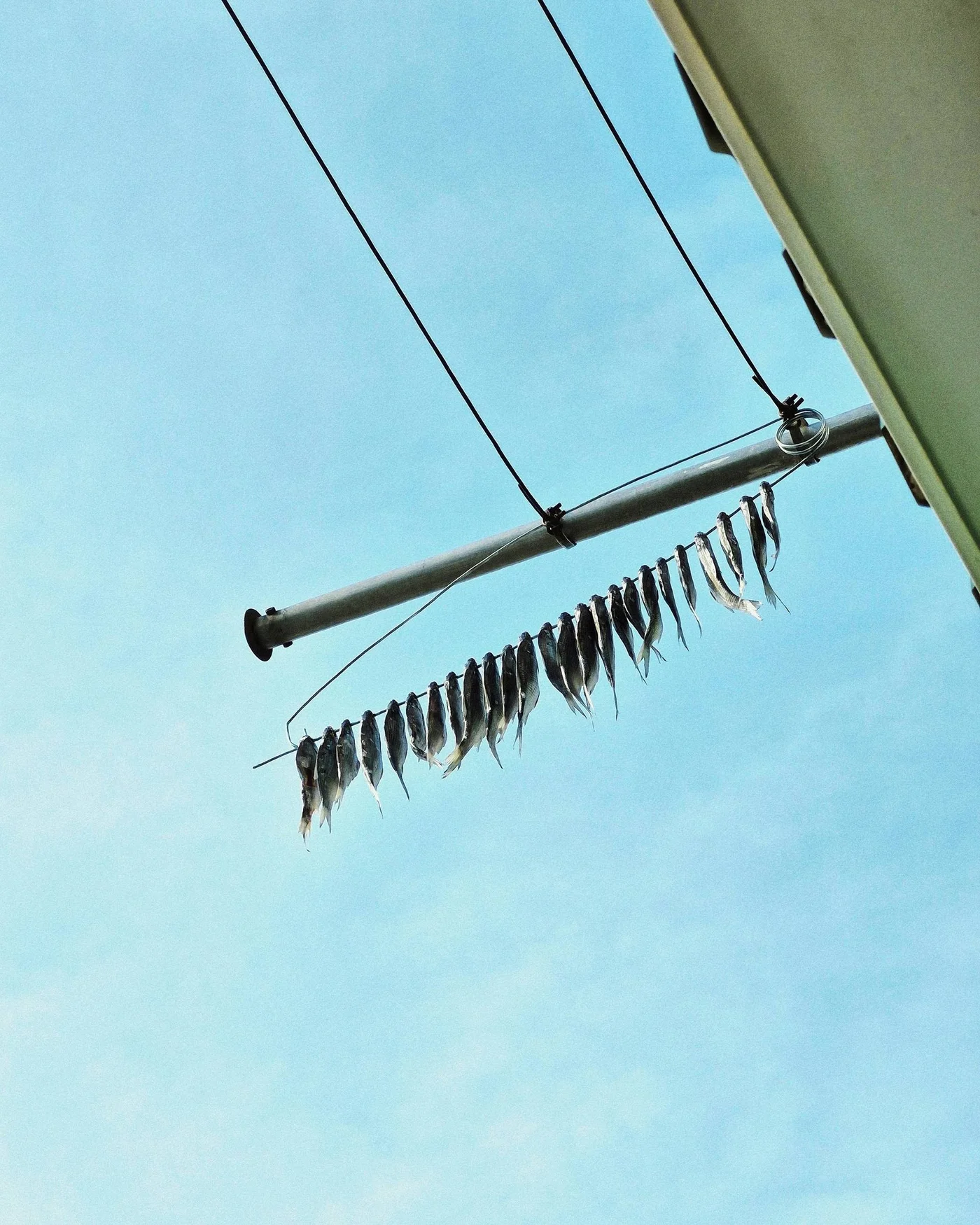
Anchovy fishing in Cetara has millenary roots. Even today, during moonless nights between March and August, the "lampare" set sail. The technique has remained almost unchanged: the lights attract the oily fish to the surface and the nets encircle them.
But the real magic happens on land. Freshly caught, the anchovies are beheaded and gutted by hand, then arranged in layers - using the classic "head-to-tail" technique - in small oak barrels called terzigni. Here, under the weight of a wooden press and covered in sea salt, they begin their maturation.
The "head-to-tail" technique
Each layer is alternated by reversing the orientation of the fish, to maximize compactness and ensure uniform salting throughout the maturation process.
The oak terzigno barrel
The small oak barrel is not just a container: the wood breathes, regulates humidity and contributes to the aromatic development during the long salt-curing maturation.
The Colatura: The Liquid Essence of the Sea
The noblest product of this process is the PDO Colatura di Alici di Cetara. It is an amber, clear liquid, the result of the slow fermentation of salt-cured anchovies.
Legend has it that Colatura is the heir to Roman Garum, the fish sauce so beloved by emperors. In Cetara, this tradition was recovered by medieval monks and has today become a world excellence landmark. A single drop of this distillate can transform a simple dish into a gourmet experience.
"Cetara's Colatura is not a condiment - it is the soul of the Mediterranean distilled drop by drop."
How to Taste Spaghetti Colatura di Alici: The Iconic Dish
If you visit Cetara, there is one ritual you cannot miss: Spaghetti alla Colatura. It is the quintessential dish of simplicity becoming luxury.
Colatura di Alici Recipe: Spaghetti with Colatura
No salt in the water - the Colatura is already naturally very savory.
Raw dressing - extra virgin olive oil, minced garlic, chili pepper, parsley and a generous tablespoon of Colatura.
Never heat the Colatura - heat alters the aromatic bouquet that developed over months of maturation.
Where to Buy and Taste
| Experience | Recommendation |
|---|---|
| Historic Shops | Along Cetara's main street you will find artisan workshops where you can buy original barrels. Always look for the PDO mark on the packaging. |
| Tasting | Many village restaurants offer a "cuoppo" of freshly caught fried or marinated anchovies. It is the most authentic way to taste them. |
Expert Tips
Check for the PDO mark
Make sure the packaging carries the PDO mark. Many imitations use fish from other seas, but only anchovies caught in the Gulf of Salerno have that perfect balance of fat and flavor.
Other Colatura di Alici Recipes
Colatura di Alici recipes go far beyond the classic spaghetti. Pasta with colatura di alici makes an excellent quick weeknight dish, and it also works beautifully for flavoring boiled vegetables (like escarole or broccoli) or adding an "umami" touch to legume soups. But always use it raw to preserve its aromatic bouquet.
Storage
Salt-cured anchovies in glass jars should always be kept covered by their liquid or a drizzle of oil to prevent drying. Refrigerate after opening and consume within a few weeks.
Frequently Asked Questions
How long must the anchovies mature to make Colatura?
Is Colatura very salty?
Are Cetara anchovies good for your health?
Where can I buy original PDO Colatura?
What is the best time to visit Cetara?
What does the "head-to-tail" technique mean?
Written by
Amalfi Coast Travel
Food & Travel Specialist · Amalfi Coast