
Food · Sorrentine Peninsula
Limoncello Tour
The Golden Liqueur and the Legend of the Sorrento IGP Femminiello.
A journey through the scents of the IGP Lemon
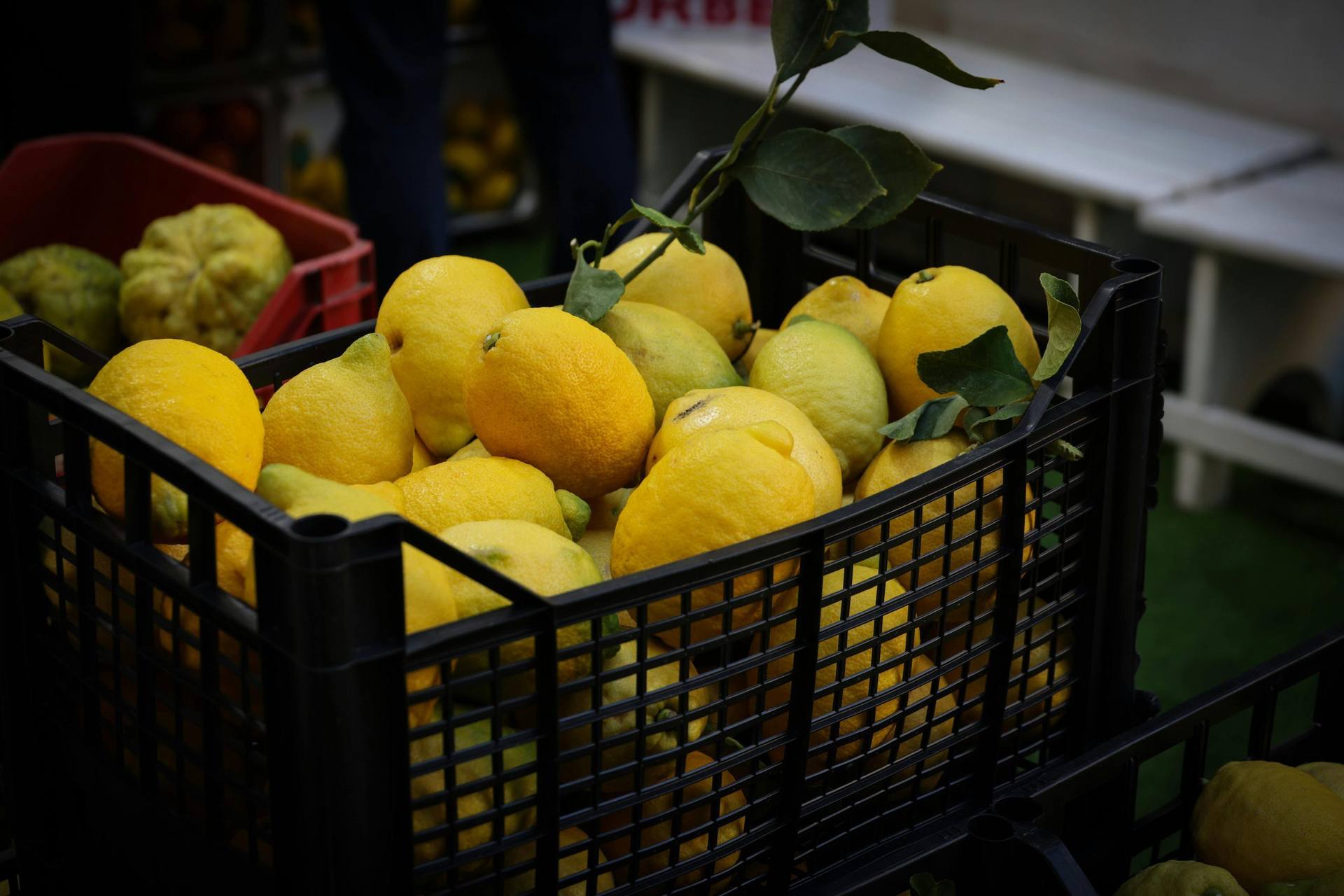
Walking through a Sorrentine citrus grove is not just an agricultural tour - it is an immersion in a protected ecosystem where time seems to have stood still. Here reigns the Femminiello, the lemon variety that made Sorrento famous worldwide and that today holds the prestigious IGP (Protected Geographical Indication) mark.
The History and the Name: A Thousand-Year Legacy
The name "Femminiello" comes from the extraordinary fertility of this plant, which flowers several times a year producing fruit with an almost "maternal" consistency. Its roots go back to Roman times - frescoes depicting it have even been found in the Pompeii excavations - but it was thanks to Jesuit monks in the 1600s that its cultivation spread widely.
This lemon is unique for two fundamental reasons:
The Pergolas
The plants grow under the typical "pagliarelle" (straw lattices) that protect the fruit from cold and wind, delaying ripening and allowing fresh lemons to be available all year round.
The Volcanic Soil
The fertile peninsula soil, rich in minerals from the ancient Vesuvius eruptions, gives the Femminiello an acidic but balanced flavour and a peel extremely rich in essential oils.
What makes the Femminiello special?
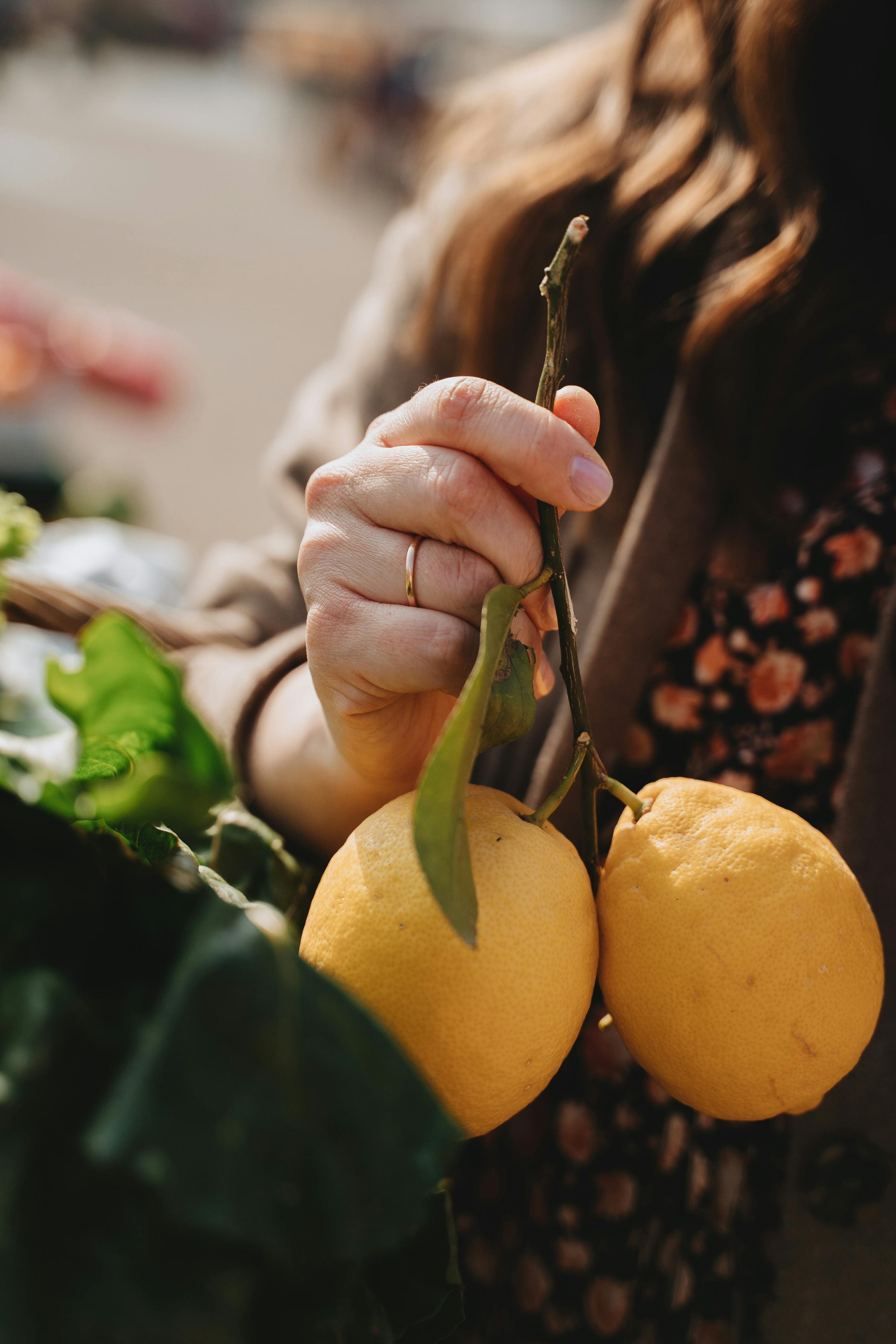
Unlike the Sfusato Amalfitano - its Amalfi Coast "cousin", longer and larger - the Sorrento Femminiello has an elliptical shape and medium size. Its true magic lies in the peel: thick, intensely fragrant and rich in terpenes. It is precisely this yellow layer, the "zest", that - infused in pure alcohol - releases the unmistakable aroma of real Limoncello.
What happens during a Limoncello Tour
Guided walk under the pergolas
A stroll beneath the historic straw lattices with your guide recounting the story of the ancient lemon-growing families and the secrets of IGP cultivation.
Infusion workshop visit
You will discover every stage of artisan production: from selecting and scraping the zest to infusing in pure alcohol, through to blending with sugar syrup.
Tasting
A sip of iced Limoncello, lemon marmalade on toasted bread and the famous candied peel coated in dark chocolate.
Local Tip
Pay attention to the peel colour during the tour. A perfect Femminiello should have a brilliant citrine yellow. If you lightly rub the peel with your thumb and the scent lingers on your fingers for hours, you have found the gold of Sorrento. Another secret? Real Sorrentines also eat the white part (the albedo): it is sweet, spongy and packed with vitamins!
Other Experiences

Trekking & Path of the Gods
From the legendary Path of the Gods to the waterfalls of the Ferriere Valley.

Boat Tours
Sea grottos, secret coves and the Amalfi Coast panorama seen from the water.
Mozzarella Experience
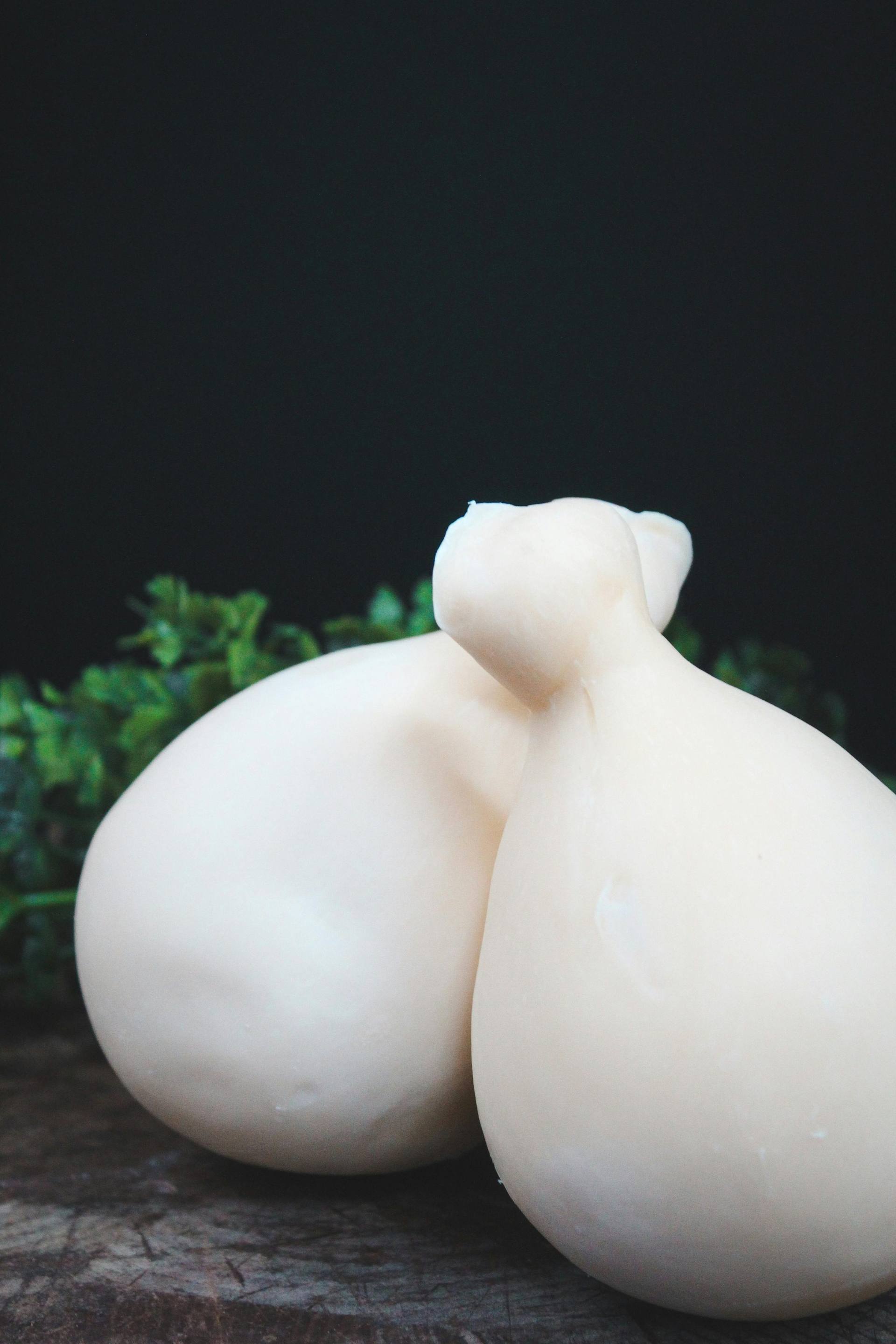
From stretchy curd to the aged treasure of the Monti Lattari.
Starred Restaurants
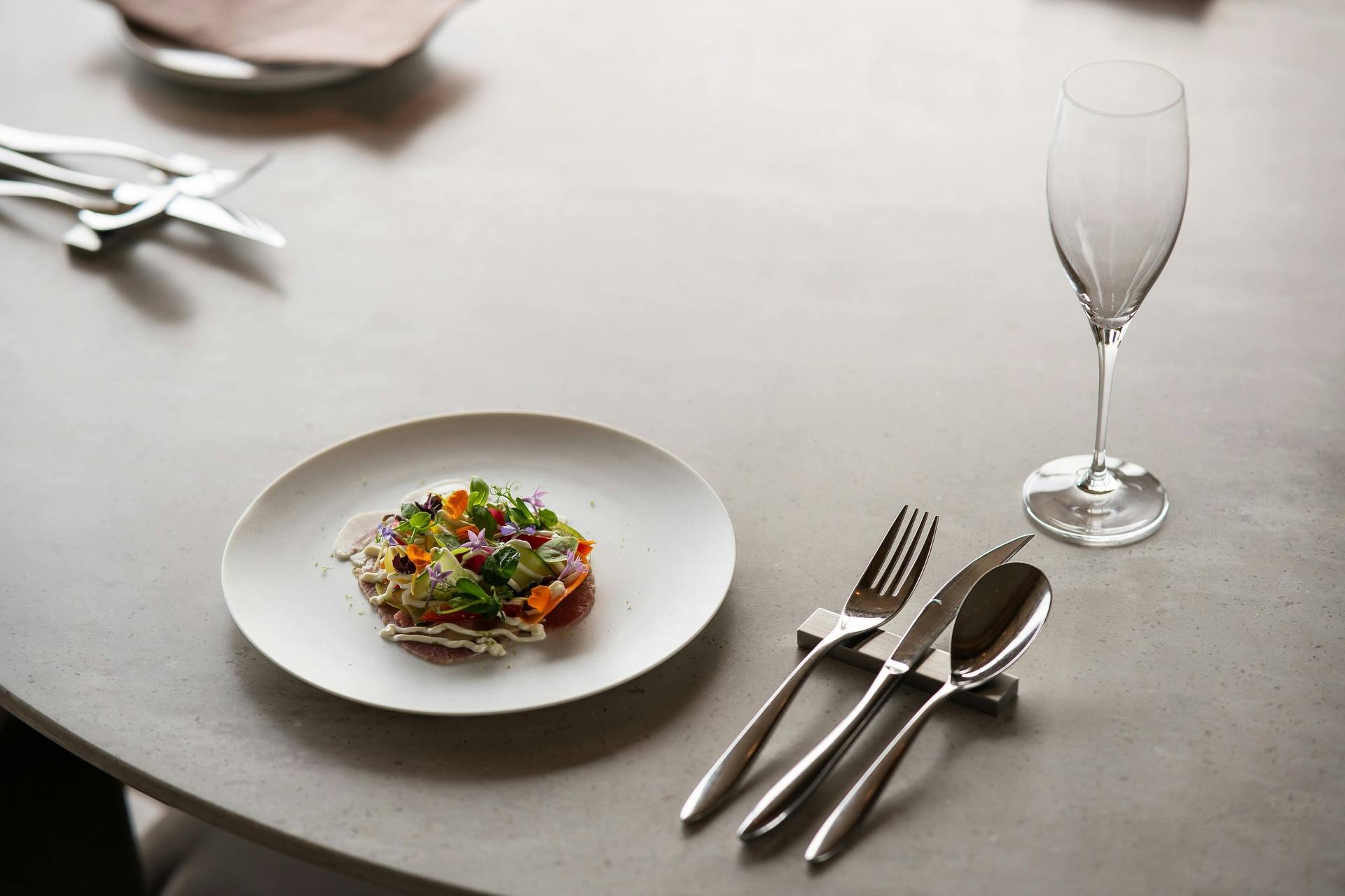
A pilgrimage through the heart of gastronomic excellence between Sorrento and the Amalfi Coast.
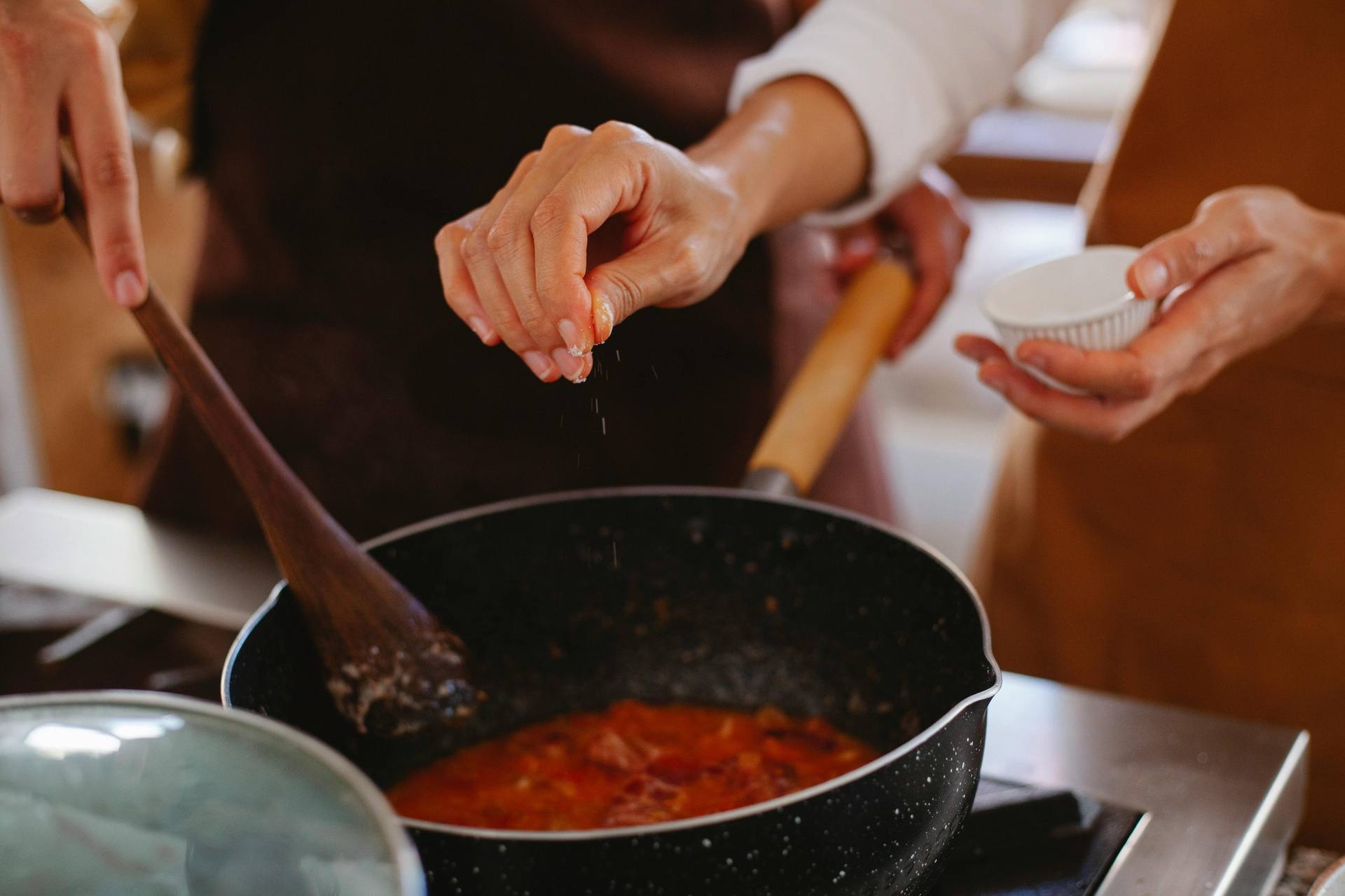
Cooking Class
A journey through flour, basil and traditions handed down on the Sorrentine Peninsula.
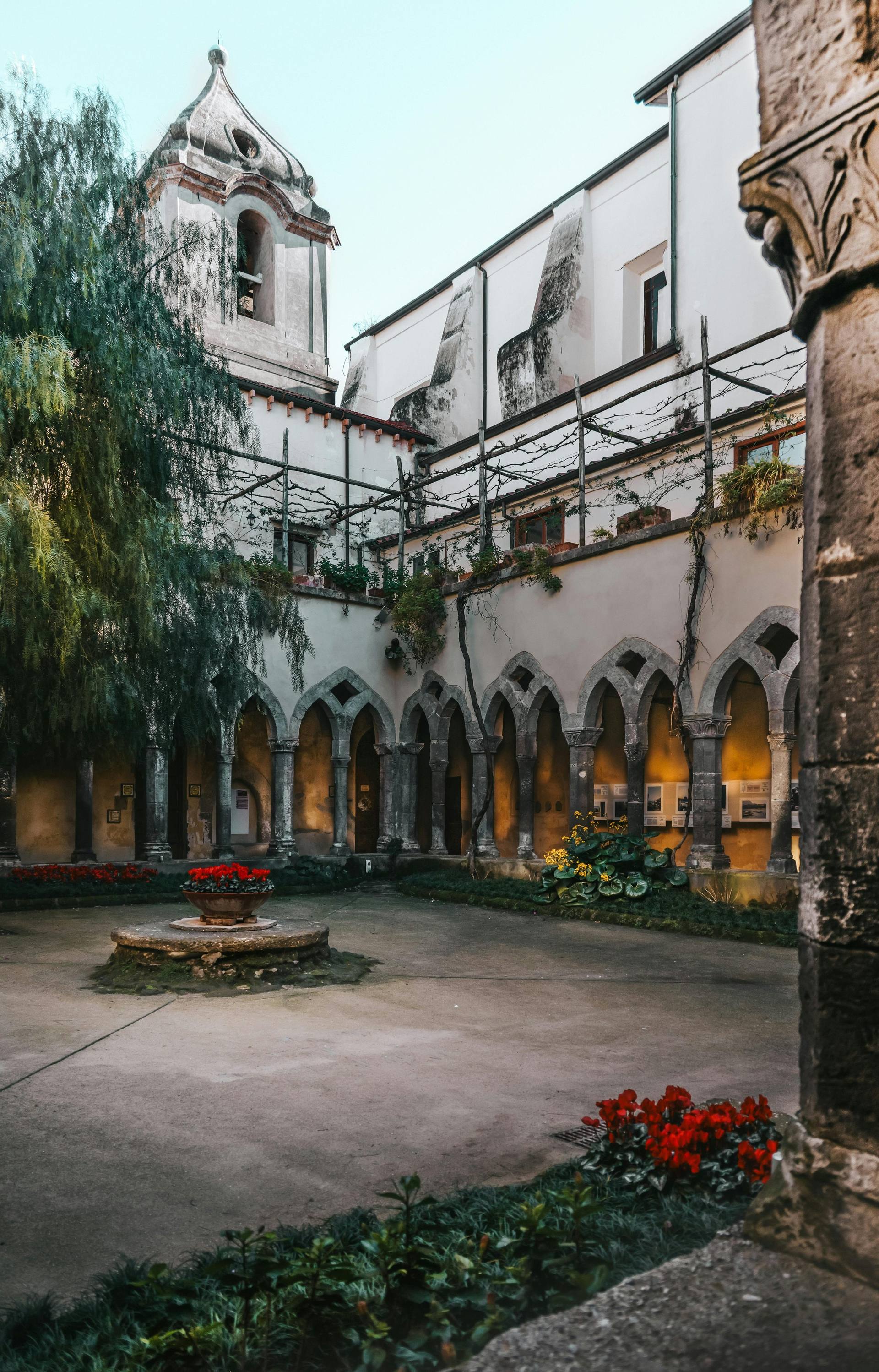
Weddings
Why the Land of the Sirens is the world capital of destination weddings.