Key Takeaways
- Crapolla Fjord is not just a secret beach, but a natural and archaeological monument with roots dating back to classical times, dedicated to the god Apollo.
- The ~700 limestone steps were constructed with ancient wisdom to overcome a dizzying elevation change of about 525 feet (160 meters), and remain the distinctive feature of the place.
- The Chapel of San Pietro stands on the remains of a pagan temple dedicated to Apollo; in the Middle Ages, an important Benedictine abbey flourished here.
- The monazeni (cavities carved into the rock by the Romans) testify to how the place was used for centuries as a natural shelter and boat storage facility.
- The ideal time to visit is between 6:00 AM and 12:00 PM in summer, avoiding the scorching heat of the limestone during the central hours of the day.
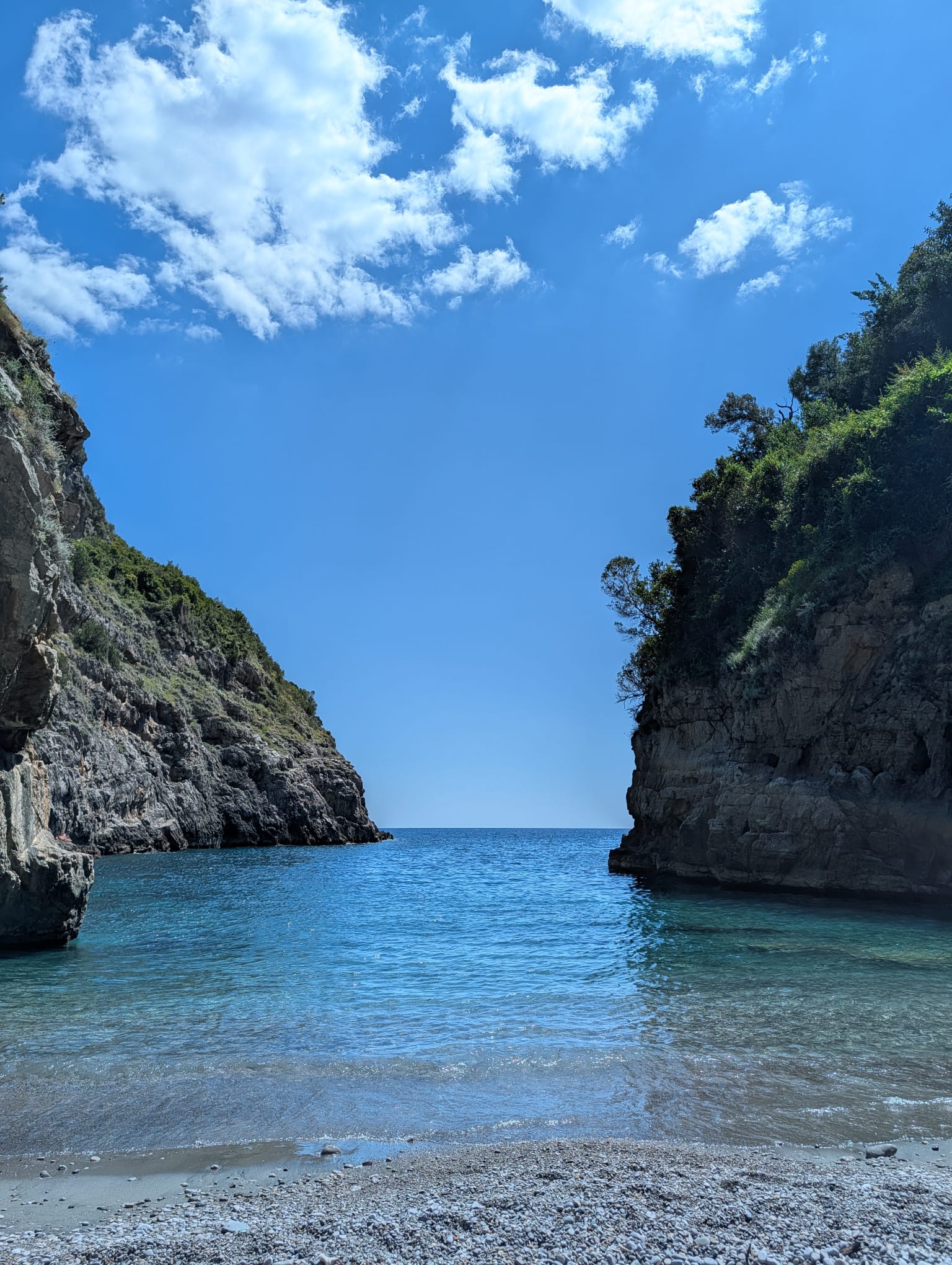
While most tourists crowd the streets of Positano or the piers of Sorrento, there is an inlet carved into the rock that preserves the intact charm of a lost Italy. The Crapolla Fjord, in the municipality of Massa Lubrense, is not just a beach: it is an open-air natural and archaeological monument, protected by towering cliffs and accessible only to those willing to "earn it" with a long hike.
The Path: Between Mediterranean Scrub and Myths
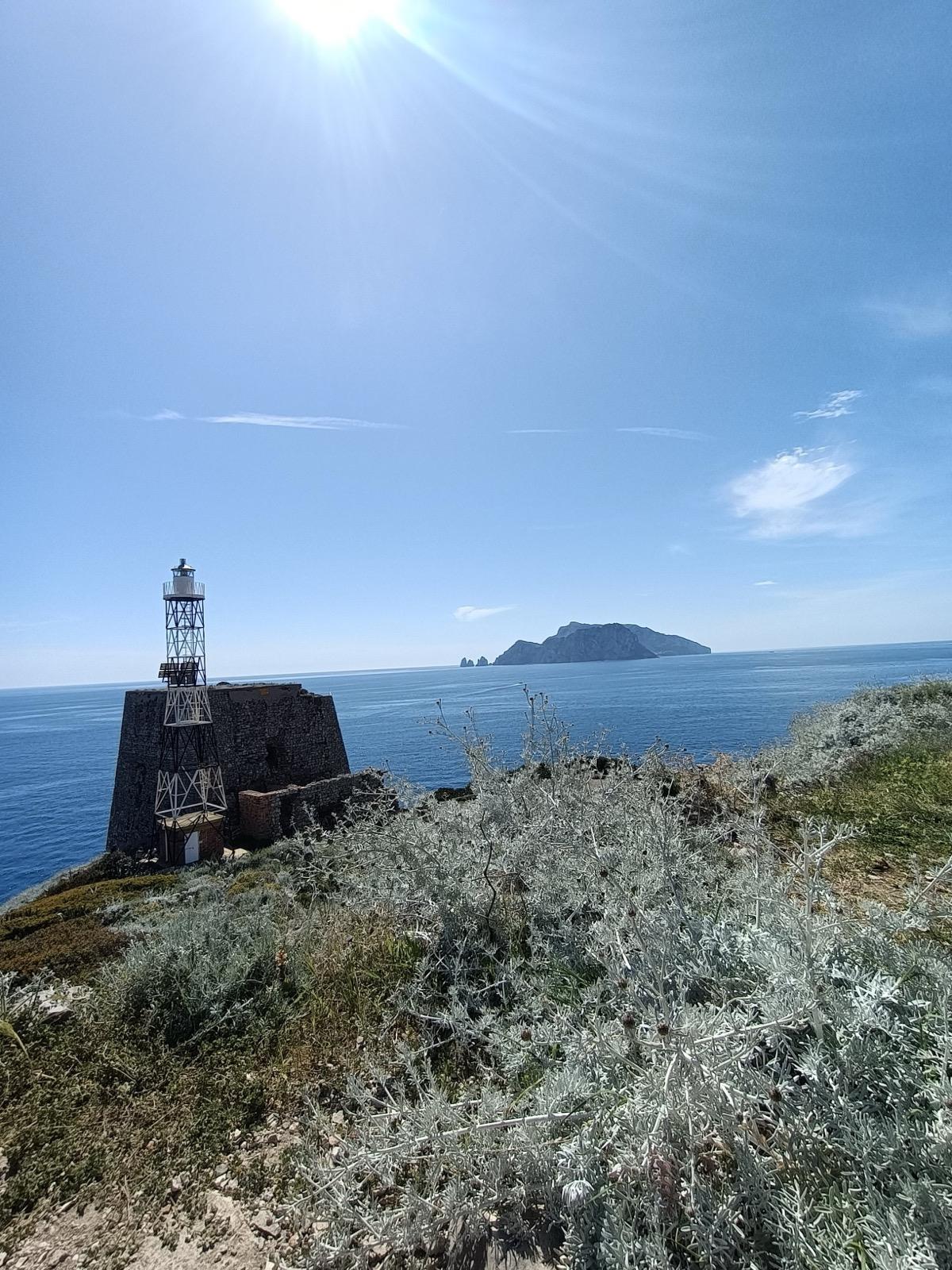
The journey begins in the small village of Torca. From here, you take a path that winds through ancient dry-stone walls, vegetable gardens, and typical coastal vegetation dominated by the scent of myrtle, mastic, and broom. The route offers a privileged view of the Li Galli archipelago (the legendary islands of the Sirens) and the island of Isca, the rock loved and purchased by the great playwright Eduardo De Filippo.
The Challenge of the 700 Steps
The defining feature of Crapolla is its incredible staircase. To reach the sea, you must descend approximately 700 limestone steps (the precise count often varies between 680 and 700 depending on the starting point). Each step was laid with ancient wisdom to overcome the dizzying drop of the cliff.
Along the descent, you will find small majolica tiles indicating the number of steps taken-a detail that becomes crucial (and psychologically demanding) during the climb back up.
The Church Below: St. Peter and the Temple of Apollo
Near the end of the staircase, before touching the sand, you come across a place of absolute peace: the Chapel of San Pietro. This small white church stands in an extraordinary panoramic position, but its importance is historical even before it is religious.
Classical Roots
The name "Crapolla" likely derives from Acra-Apollo, the promontory dedicated to the god Apollo. The church stands directly on the remains of an ancient pagan temple dedicated to the sun god.
St. Peter's Abbey
In the Middle Ages, an important Benedictine abbey flourished here. Today, marble columns and Roman architectural bases remain visible, repurposed in the construction of the chapel.
The Legend
It is said that St. Peter the Apostle, on his journey to Rome to evangelize the West, stopped in this very inlet, finding there his first safe landing.
"Crapolla is where classical history, medieval Christian history, and wild nature meet in an incredibly small and untouched space."
The Fishing Village and the Beach
At the bottom, you will be greeted by the remains of an ancient fishing village. Here you will find the monazeni: cavities carved into the rock by the Romans and used for centuries to store boats. The beach is a small patch of white pebbles where the water is of crystalline purity, typical of the Punta Campanella Marine Protected Area.
| Feature | Details |
|---|---|
| Starting Point | Via Casal di Torca (Massa Lubrense) |
| Number of Steps | ~700 (natural stone) |
| Elevation Drop | Approx. 525 feet (160 meters) |
| Difficulty | Medium/High (due to physical effort of ascent) |
| Water | None on site (bring at least 2 liters per person) |
Expert Tips
The Best Time
Avoid the climb between 12:00 PM and 4:00 PM in summer. The staircase faces south and the heat retained by the limestone can be grueling.
Footwear
Don't make the mistake of descending in flip-flops. The stone is slippery and the steps are irregular. Use hiking or athletic shoes with good grip.
Respect
Crapolla is an archaeological and natural site. Take your trash with you: there are no cleaning services here and the beauty of the place depends on the respect of those who visit it.
Frequently Asked Questions
What is the exact number of steps?
How long does the climb up take?
Is it mandatory to bring water?
Are there dangers along the path?
Can I swim?
Do I need to book or ask permission?
Written by
Amalfi Coast Travel
Archaeology & Trekking Guide · Sorrentine Peninsula