Key Takeaways
- The Ferriere Valley is home to Woodwardia radicans, a giant prehistoric fern surviving from the Tertiary thanks to a unique Mediterranean microclimate.
- The name comes from ancient medieval iron foundries powered by the Canneto stream; along the trail are ruins of historic paper mills that produced the famous Carta di Amalfi.
- The trail is classified E (Hiking): about 6 km, 3-4 hours with stops. Recommended starting point is Pontone for a downhill walk toward Amalfi.
- The waterfall and rare fern area is a protected integral reserve: booking and a contribution (~€5) required - best to organize in advance.
- Best period: spring (April-June) for maximum waterfalls and explosive greenery; autumn for warm forest colors.
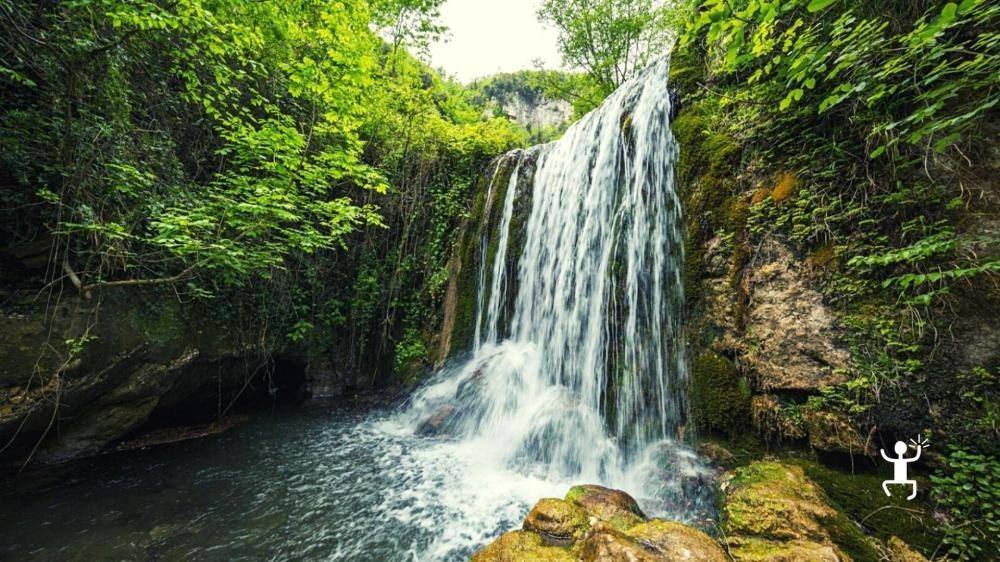
While the crowds pile into the alleys of Amalfi or onto the beaches of Positano, there is a trail that leads to a parallel world of waterfalls, prehistoric ferns and a silence broken only by the rustling of water. The Ferriere Valley — officially protected as the Ferriere Valley State Reserve — is the best-kept secret of the Amalfi Coast: a green lung that seems to belong to a tropical rainforest rather than the Mediterranean.
A Unique Microclimate
What makes the Ferriere Valley magical is its particular geological formation. The high rocky walls protect the valley floor from hot winds, maintaining constant humidity and cool temperatures even in the height of summer.
Woodwardia radicans: A Living Fossil
This microclimate has allowed the survival of Woodwardia radicans, an extremely rare giant fern dating back to prehistoric times (Tertiary period). Its fronds can reach 2 meters in length and constitute one of the most important habitats in Europe for this species.
Walking among these enormous fronds, surrounded by mosses and springs, gives the sensation of leaping back millions of years. It is an experience no photograph can fully convey.
Industrial Archaeology Among the Lemon Groves
The valley's name comes from the ancient iron foundries (ferriere) that once used the force of the Canneto stream for iron production. But there is more: along the trail you encounter the ruins of the historic Amalfi paper mills.
Here was produced the celebrated Carta di Amalfi (or Charta Bambagina), exported throughout the medieval world. Seeing the ruins of these imposing buildings wrapped in vegetation gives the valley a decadent, fascinating atmosphere - like a lost city.
"The Ferriere Valley is the place where the force of water built the history of Amalfi."
Ferriere Valley Trail: Practical Guide
The Ferriere Valley trail is suitable for almost everyone, but requires a minimum of preparation. There are two main access points.
From Pontone (Recommended)
The most scenic access. Starting from the small square in Pontone (a hamlet of Scala), the trail is mostly downhill toward Amalfi. Great for those who dislike climbs and want to enjoy the route without too much effort.
From Amalfi
Starting from the upper part of town, past the Paper Museum. An uphill route, more tiring but very scenic as it follows the stream. You encounter the ancient paper mills right at the start of the walk.
| Parameter | Detail |
|---|---|
| Difficulty | E – Hiking (Easy / Medium) |
| Duration | About 3-4 hours (with stops) |
| Distance | About 6 km |
| Elevation change | ~400 m (Pontone → Amalfi) |
| Reserve fee | approx. €5 per person (booking recommended) |
Expert Tips
The Integral Reserve: book ahead
The valley's heart is the Ferriere Valley State Reserve, a fully protected integral reserve. To access the waterfall and rare fern area you must book entry (often managed by local associations) and pay a small contribution. Do this in advance, especially on spring weekends.
Clothing: don't underestimate the cold
Even if it is 30°C down in Amalfi, the temperature drops dramatically in the valley. Bring a light jacket and absolutely wear hiking boots: the rocks near the stream can be very slippery.
The Hiker's Snack
Stop at one of the shops in Pontone before descending and get a sandwich made with local Monti Lattari fiordilatte cheese and local tomatoes. Eating it next to a waterfall is priceless.
Frequently Asked Questions
Is the trail suitable for children?
Can you swim in the stream?
What is the best time to visit?
Is there mobile signal in the valley?
How do you book access to the nature reserve?
What is Woodwardia radicans?
Written by
Amalfi Coast Travel
Nature & Trekking Guide · Amalfi Coast